
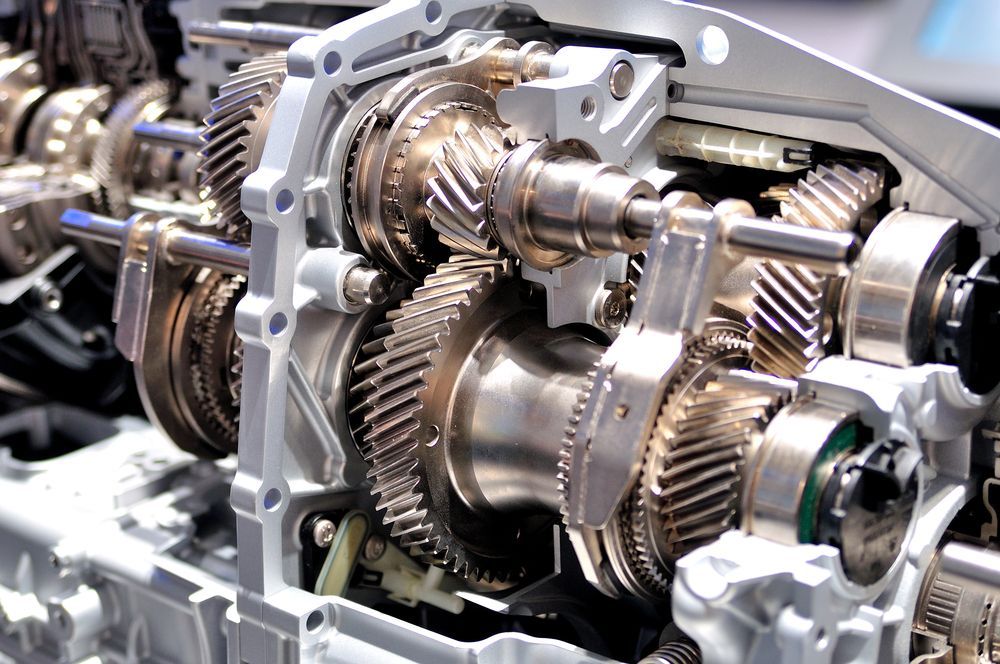
Restore Direct Power Transfer and Shifting Control
Clutch Repair in North Austin for manual vehicles experiencing slipping, hard shifting, or loss of engagement
Clutches wear gradually through friction—every engagement and release removes microscopic amounts of material from the clutch disc until it can no longer maintain sufficient contact with the flywheel and pressure plate to transfer engine power effectively. Medrano Transmissions Specialist addresses clutch issues including slipping under load, difficulty shifting into gear, or a pedal that feels unusually stiff or soft, with in-house repairs that ensure all related components are inspected and replaced as needed rather than just swapping the disc and hoping secondary parts hold up. Serving drivers in North Austin with manual transmissions across a wide range of vehicles, the service restores smooth gear engagement and responsive power delivery that makes daily driving and demanding conditions manageable again.
Clutch replacement involves removing the transmission to access the clutch assembly, inspecting the flywheel for heat damage or scoring, and replacing the clutch disc, pressure plate, and release bearing as a complete set. This comprehensive approach prevents the common problem of installing a new disc against a worn pressure plate, which leads to premature failure and wasted labor.
Schedule a clutch evaluation to assess whether repair or replacement is needed based on current wear levels.
What Changes After Clutch Components Are Replaced
A worn clutch exhibits several clear symptoms—slipping during acceleration feels like the engine revs higher without corresponding speed increase, difficulty shifting into first or reverse suggests the disc isn't fully disengaging, and shuddering during engagement indicates uneven contact surfaces or contaminated friction material. Replacing the full clutch assembly addresses all these issues by restoring factory-spec friction capacity and hydraulic or cable actuation performance.
After the work is finished, you'll notice that shifts into every gear happen cleanly without grinding, the clutch pedal engages at a consistent height with predictable feedback, and acceleration feels direct with no slippage even under heavy throttle or when towing. The transmission and clutch system work together smoothly, eliminating the frustration and safety concerns that come with unreliable power transfer.
Clutch service also protects the transmission itself—a slipping clutch generates excessive heat that can warp the input shaft or damage synchronizers, turning a straightforward clutch job into a more expensive transmission repair if ignored too long. Addressing clutch wear promptly extends the lifespan of the entire drivetrain and maintains the vehicle's resale value.
What Property Owners Usually Ask
Drivers with manual transmissions often have questions about clutch wear, replacement timing, and what the service involves.
How do I know when a clutch needs replacement versus just adjustment?
If the pedal height can't be corrected through cable or hydraulic adjustment and slipping persists, the friction material is worn beyond service limits and replacement is necessary.
What causes clutches to wear out faster than expected?
Riding the clutch pedal, frequent stop-and-go driving, towing heavy loads, or aggressive launching all accelerate wear by generating excessive heat and friction that breaks down the disc material prematurely.
Why do you replace the pressure plate and release bearing even if they look okay?
These components experience the same heat cycles and stress as the disc—reusing them saves minor cost upfront but often leads to failure within months, requiring the labor-intensive removal process all over again.
How does North Austin's climate affect clutch lifespan?
High ambient temperatures during summer months reduce the clutch's ability to dissipate heat during heavy use, which accelerates wear on friction surfaces and can glaze the flywheel if the clutch is allowed to slip repeatedly.
What should I expect during the break-in period after clutch replacement?
New friction material needs 500 miles of normal driving to fully seat against the flywheel and pressure plate—avoid aggressive starts or heavy towing during this period to ensure even bedding and maximum lifespan.
Medrano Transmissions Specialist performs all clutch work in-house to maintain consistent quality and ensure that related components like pilot bearings and flywheel surfaces are addressed during the same service. Request an inspection to determine whether your clutch symptoms require immediate attention or can be monitored over time.